The First Clue Is Often Curiosity
Recurring curiosity can point toward a possible strength. Learn how to notice the pattern, try a small exploration, and keep room for change.

A child lingers after a community music session to ask how the drum makes its low note. Someone else keeps sketching the carved doorway at the market, even after the rest of the group has moved on. That recurring curiosity can offer a useful starting point for exploring a possible strength—not a label to pin on someone, but a clue worth following.
Notice what returns
- Look for the repeat. One lively afternoon may reflect a good mood, an inviting teacher, or a friend’s company. A subject that keeps drawing someone back across different days and settings is more informative. Notice what they return to without being assigned: arranging objects, telling stories, repairing a toy, asking how a plant grows.
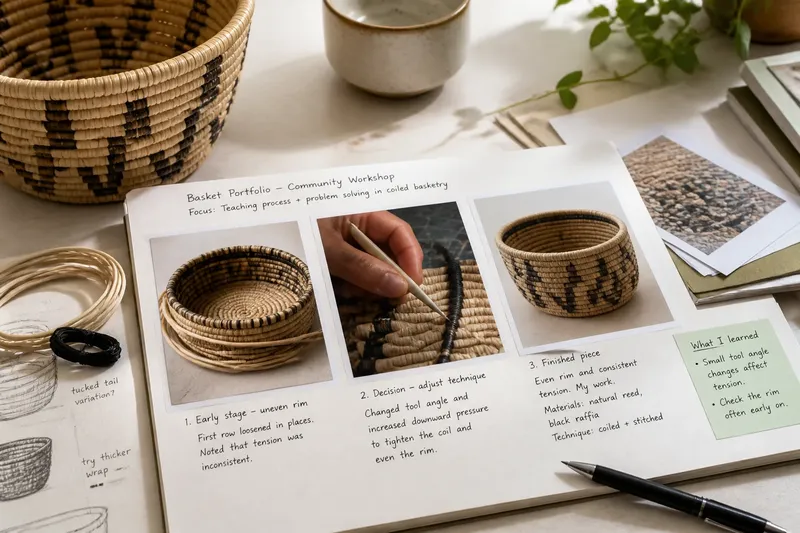
- Listen for the next question. Interest often shows itself not just in attention, but in what a person wonders about afterward. After watching a neighbor weave a basket, do they ask how the reed bends, how the pattern changes, or who taught the technique? The question can reveal which part of an activity has caught their imagination.
- Separate the activity from its setting. A young person may enjoy drawing because they like making images, or because the art table is a welcoming place to spend time with cousins. Both are meaningful, but they suggest different next experiments. Ask what part felt most absorbing rather than assuming the whole activity points to one particular ability.
Follow the interest gently
- Offer a small, low-pressure try. Curiosity does not require a course, special equipment, or a declaration of future plans. A borrowed sketchbook, a library book about birds, or a chance to help prepare a community meal can make the subject more tangible. Keep the invitation open: the aim is to learn what the person notices and enjoys, not to secure a commitment.
- Change one feature at a time. If someone is drawn to rhythm, they might listen to a drum pattern, tap it on a tabletop, or notice how a song shifts pace. These are related but different experiences. Varying one feature helps reveal whether the interest lies in sound, movement, pattern, performance, or simply being part of the group.
- Let the person choose the next question. A useful exploration gives the learner some say in what happens next. They might want to find out how a tool works, make a rough version, or talk with someone who knows the practice. That choice builds a clearer picture of the interest than an adult’s guess about what the person ought to pursue.
Read the response, not the label
- Notice effort as well as delight. A person may enjoy a subject yet feel frustrated by a new task; they may also stay absorbed in something that takes patience. Watch whether they return to a challenge, ask for another explanation, or change their approach. These are useful observations, but none is a verdict about talent.
- Make room for mixed feelings. Someone can love the idea of cooking and dislike working in a crowded kitchen, or enjoy a dance class but feel uneasy performing. That distinction matters. Adjust the conditions before deciding the interest has disappeared: try a quieter setting, a different role, or a more familiar companion.
- Keep notes plain and specific. A short record can help families and mentors notice patterns without turning them into judgments. Write down what the person chose, what held their attention, and what they asked next. “Stayed to compare leaf shapes” leaves more room for discovery than “is a natural botanist.”
Curiosity questions?
How can I tell curiosity from a passing phase?
Look for return visits, follow-up questions, or attention to the same subject in different settings. A short-lived interest still has value; it simply may not be the next area to explore.
Should a child be good at something before pursuing it?
No. Early ability can be uneven, and a beginner’s first attempts may say more about familiarity than potential. Offer an accessible way to try, then pay attention to what the child wants to learn or do next.
What if the interest keeps changing?
Changing interests can reveal useful connections, such as a pull toward making, explaining, movement, or problem-solving. Follow the current question without insisting that each new curiosity become a lasting identity.
How do I encourage curiosity without pressure?
Ask open questions, offer choices, and make it easy to stop or return later. Praise careful noticing and thoughtful questions rather than predicting what the person will become.
Try a small experiment
Say a teenager keeps noticing how vendors arrange fruit at a neighborhood market. A relative could invite them to sketch one display, then ask which shapes or colors they chose to include. If the teenager wants to go back and compare another stall, that offers an observable next clue; if not, the sketch still made their curiosity easier to discuss.
Keep the exploration practical and respectful. Use materials already available, ask before sharing someone’s work, and check relevant instructions or local rules when an activity requires them. There is no need to buy a full set of supplies, enroll in several programs, or create a formal talent plan just to follow one question. That extra machinery is not worth the effort while the interest is still taking shape.
Curiosity becomes especially useful when people around the learner respond with access: a book from the library, a patient explanation, or an introduction to a welcoming group. The clue belongs to the person, but opportunity can help them investigate it. Keep the door open, and let the next question—not a fixed label—guide what happens after that.